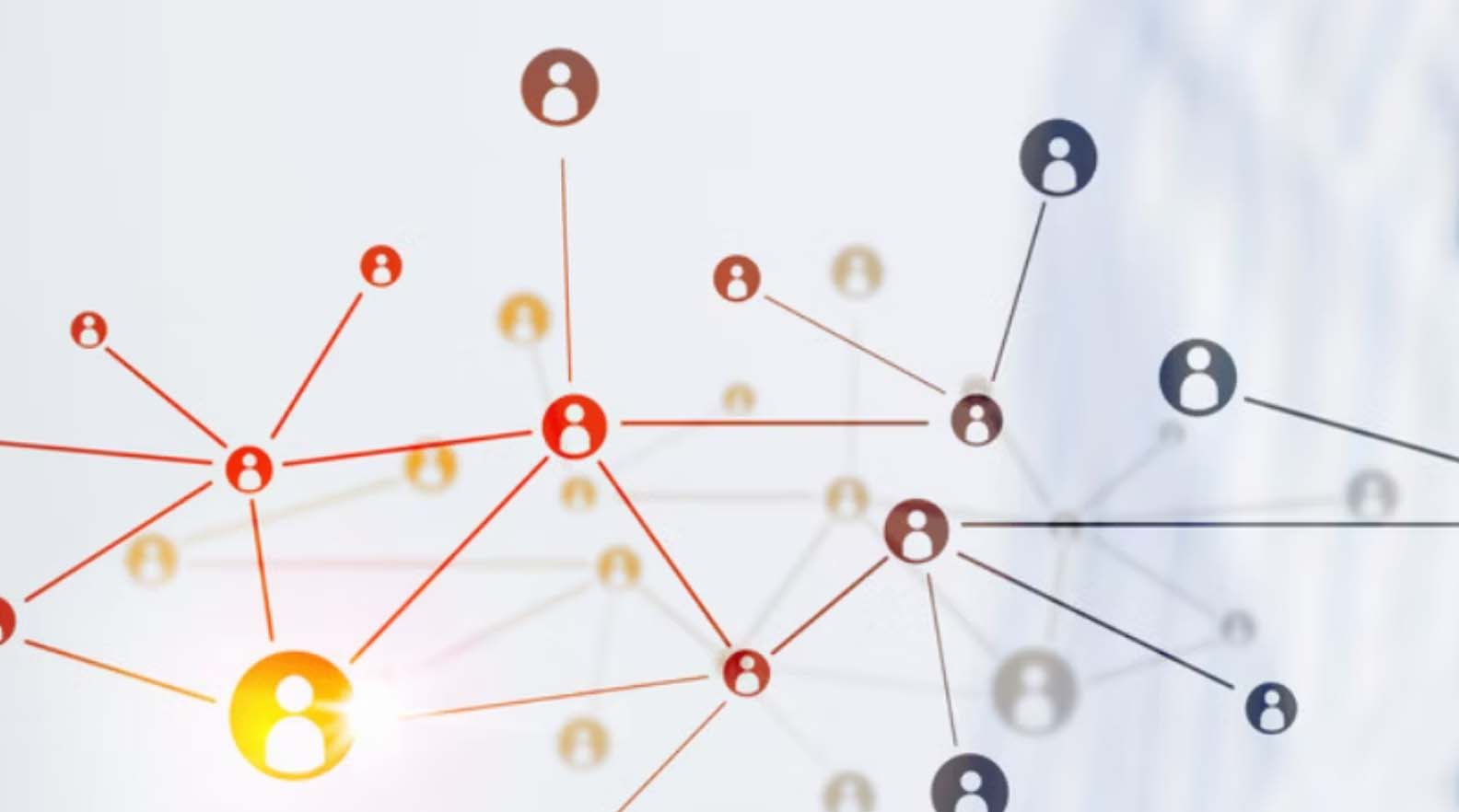
Partnership models are evolving with the advent of ecosystems. Lines are blurring across partner types, and partners cannot be simply typecast into specific tiers or partnering motions.
As an example – A Software Vendor (ISV) partners with a System Integrator (SI) to develop an Intelligent Supply Chain solution for Retail industry. When the solution is ready to launch, they enable and leverage their channel partners to market and sell these offerings into specific regions.
Channel partners create value-added complementary solutions for these regional customers and invite ISV and SI partners to accelerate the sales motions. This ecosystem now has multiple types of partners (ISV, SI, and Channel), each bringing their unique expertise to build joint offerings, increase demand via joint marketing activities and engage in joint sales motions.
Legacy Partner Relationship Management (PRM) solutions are not suited to serve the needs of ecosystem models. These PRM solutions require you to sign into each partner’s portal, follow the traditional motions of the solution and deal registration, and give you a siloed view of each partnership. There is no mechanism to engage with other partners and foster N-Way partnerships.